Complex General Surgical Oncology
Dr. Llaguna
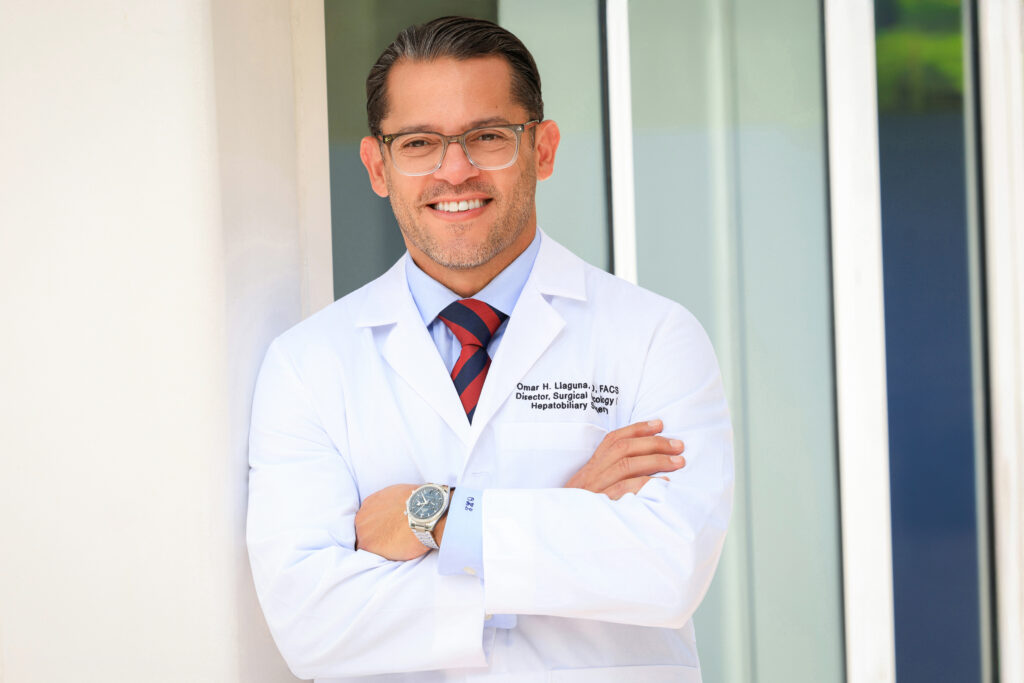
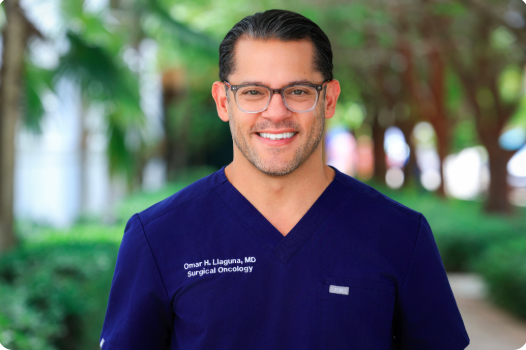
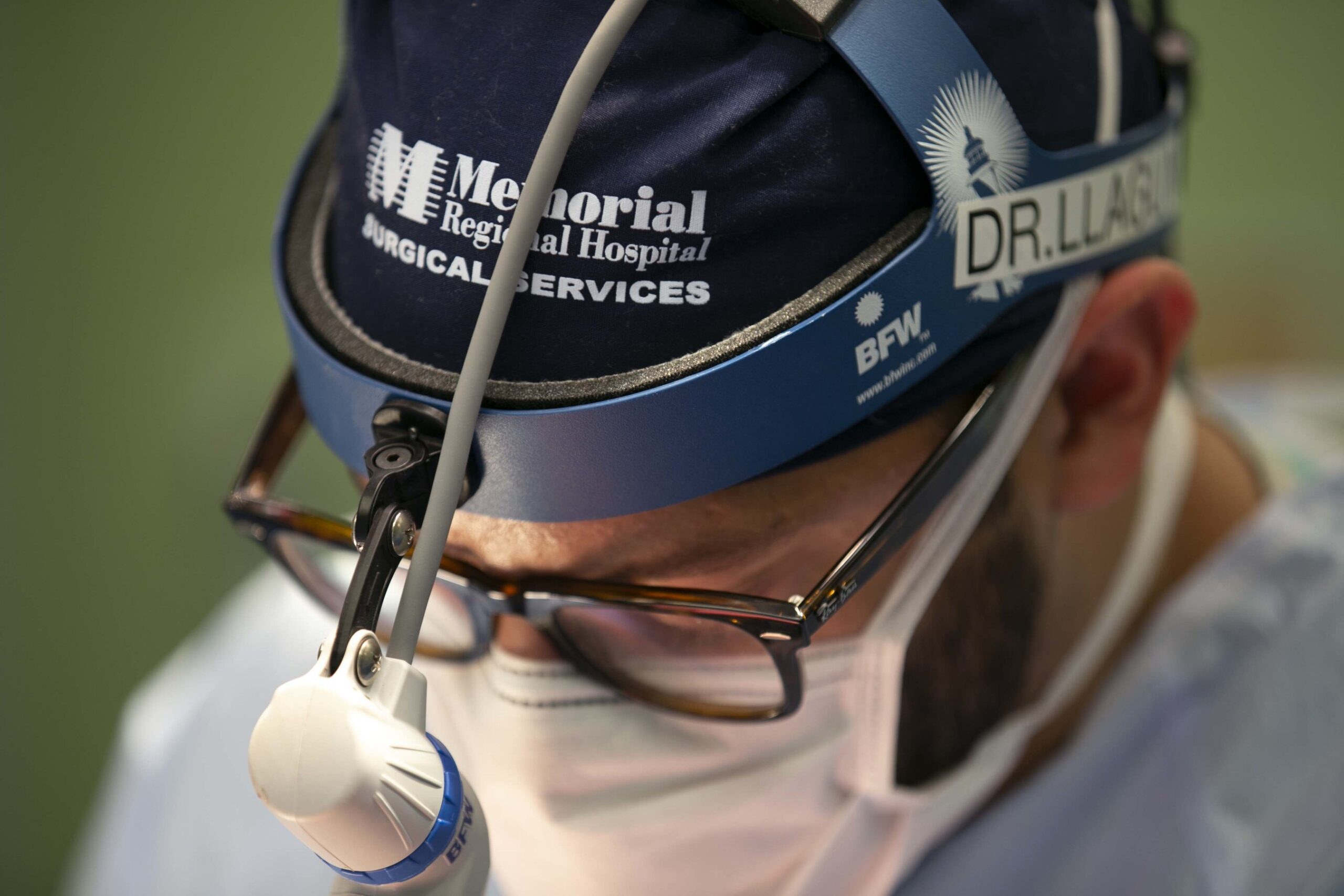
Dr. Llaguna is a board-certified general surgeon specializing in complex general surgical oncology. He serves as Medical Director of the Division of Surgical Oncology at HCA Florida Kendall Hospital and as an assistant professor of surgery at Florida International University’s Wertheim College of Medicine.
Area Of Focus
Adrenal Cancer
Appendix Cancer
Colorectal Cancer
Gallbladder Cancer
Liver Cancer
Liver Metastasis
Melanoma and Cutaneous Malignancies
Mesothelioma
Neuroendocrine Tumors
Pancreatic Cancer
Peritoneal Malignancies
Small Intestine Cancer
Stomach Cancer
Soft Tissue Sarcoma
- Biography
About Dr. Llaguna
Dr. Llaguna is a board-certified general surgeon specializing in complex general surgical oncology. A native of South Florida, he graduated from Immaculata – La Salle High School and earned his Bachelor’s Degree from the University of Miami. He then obtained a Master’s Degree from Nova Southeastern University before receiving his Medical Degree from Ross School of Medicine, graduating with High Honors.
Dr. Llaguna completed his surgical internship at Maimonides Medical Center, where he was honored with the Surgical Intern of the Year award. He furthered his training during his general surgery residency at Beth Israel Medical Center, serving as Chief Resident and receiving multiple accolades, including the Surgical Resident Scholarly Achievement Award, the Albert Einstein College of Medicine Medical Teaching Award, and the Society of Laparoendoscopic Surgeons Outstanding Laparoendoscopic Resident Award.
Committed to cancer care, he pursued a fellowship in complex general surgical oncology at the University of North Carolina School of Medicine. In July 2011, he returned to South Florida, where he currently practices. In addition to his clinical responsibilities, Dr. Llaguna is an assistant professor of surgery at Florida International University’s Wertheim College of Medicine. He also serves as the Medical Director of the Division of Surgical Oncology at HCA Florida Kendall Hospital and is a faculty member in the general surgery residency training program, actively contributing to the advancement of surgical research initiatives.
Medical Background
& Education

01
Medical Education
Ross University School of Medicine, 2004
02
Internships
Maimonides Medical Center, 2006, Surgery
03
Residency
Beth Israel Medical Center, 2009, Surgery
Maimonides Medical Center, 2006, Surgery
04
Certifications
American Board of Surgery, 2009
05
Fellowships
University of North Carolina at Chapel Hill,
2011
Personal Motivation
My journey into surgical oncology, as well as my approach to practice, has been profoundly influenced by my parents’ battles with cancer. My father’s fight against rectal cancer opened my eyes to the critical importance of a strong physician-patient relationship. As a caregiver, I was deeply moved by the compassionate care he received, which fostered immense respect for his physician’s ability to communicate both hopeful and challenging news with honesty and empathy. Witnessing my father’s struggles made me acutely aware of the profound impact a physician can have on the lives of patients and their families. Each patient interaction evokes memories of my father’s courageous fight against cancer, motivating me to pursue excellence in my practice and honor his legacy while creating new memories for the thousands of patients I serve.
The loss of my mother to metastatic lung cancer just six weeks after her diagnosis further deepened my understanding of end-of-life care. It taught me to balance the desire to do everything possible to save a life with the acceptance of our mortality, embracing loss with compassion and dignity. With that said, my practice is deeply rooted in faith, drawing strength from my beliefs that guide me not only in my personal life but also in navigating the complexities that a cancer diagnosis presents for my patients. I feel truly blessed to have the opportunity and trust to care for patients from the beginning of their cancer journey until the very end.
Core Commitments:
Strong Physician Patient Relationships
Honest and Empathetic Communication
Compassionate End-of-Life Care
Faith-Guided Patient Care

Areas of Focus
Advanced Surgical Treatments
Robotic Surgery
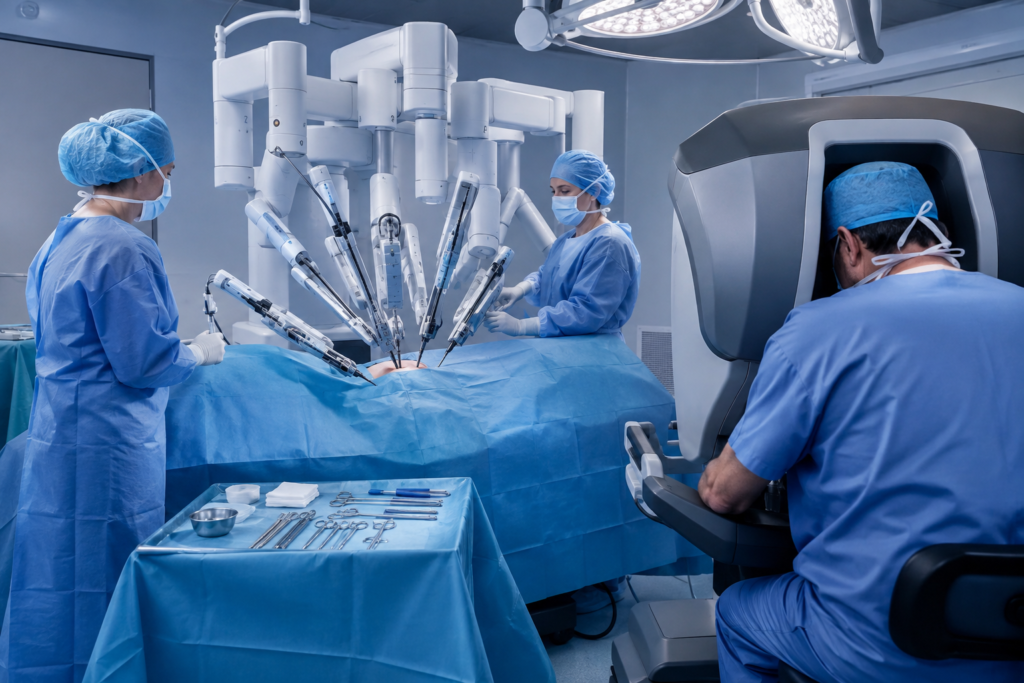
Robotic surgery utilizes robotic systems to enhance the precision and control of surgical procedures, particularly in the treatment of gastrointestinal tumors. This minimally invasive approach allows surgeons to operate through small incisions using robotic arms that are equipped with high-definition cameras and specialized instruments.
HIPEC (Hyperthermic Intraperitoneal Chemotherapy)
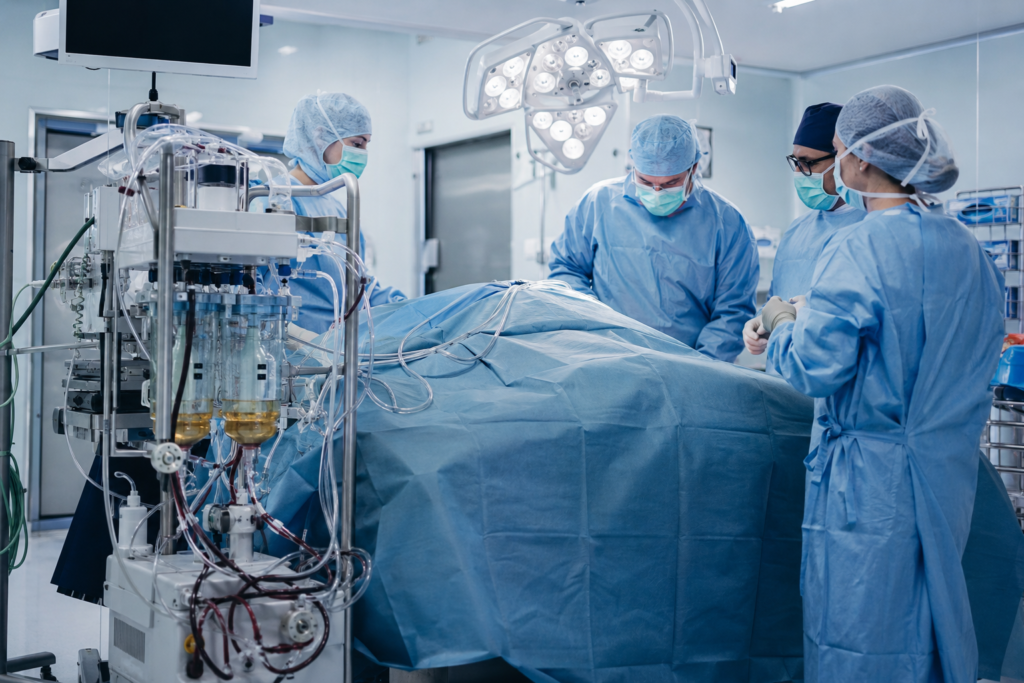
HIPEC is a specialized procedure that combines surgery with hyperthermic chemotherapy to treat cancer that has spread to the abdominal cavity. After surgically removing visible tumors, heated chemotherapy agents are infused directly into the peritoneal cavity. The elevated temperature enhances the cytotoxic effects of the chemotherapy, ensuring that any remaining cancer cells are effectively targeted.
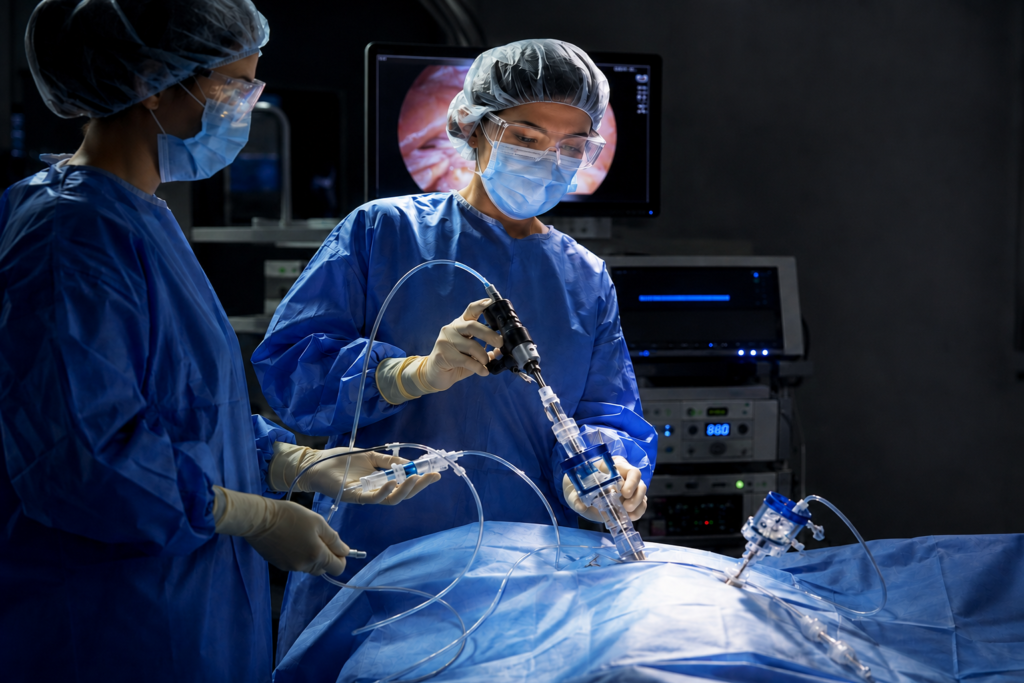
PIPAC (Pressurized Intraperitoneal Aerosolized Chemotherapy)
PIPAC is an innovative and minimally invasive technique that delivers aerosolized chemotherapy directly into the abdominal cavity under controlled pressure. This method allows for the effective penetration of chemotherapy agents into tumor tissues, enhancing their efficacy. The aerosolized delivery system ensures that the chemotherapy reaches all areas of the peritoneal cavity, even in difficult-to-access locations.
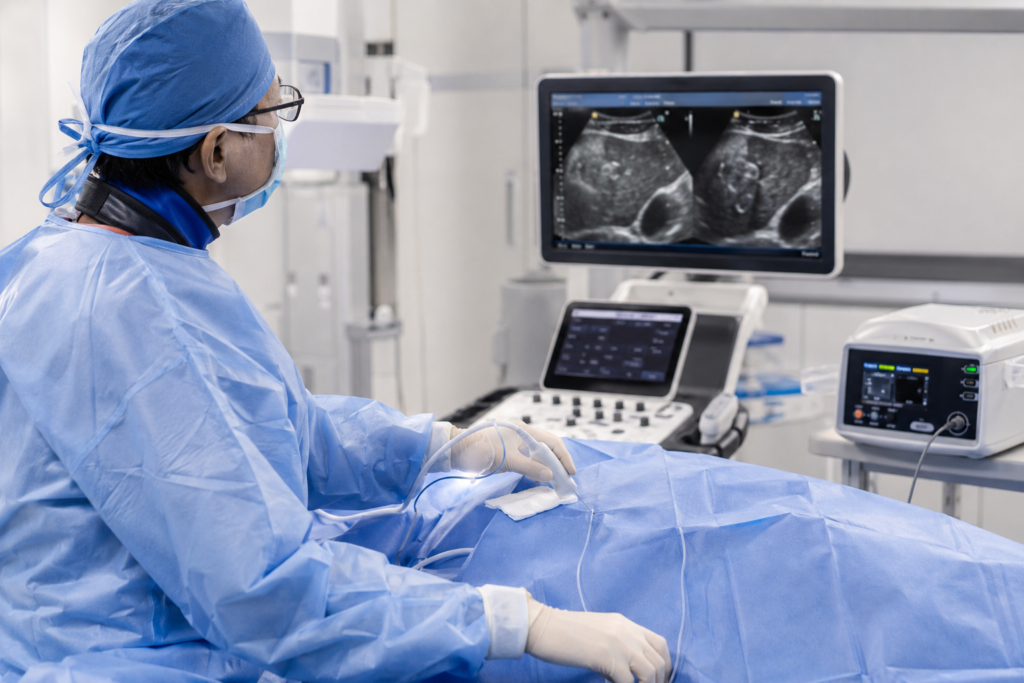
Histotripsy
Histotripsy is an advanced, non-invasive treatment that utilizes focused ultrasound waves to selectively destroy cancerous tissues without the need for incisions. During the procedure, ultrasound energy is directed precisely at the tumor, causing mechanical disruption of the cancer cells while sparing surrounding healthy tissue. This technique is guided by real-time imaging, allowing for precise targeting and monitoring of the treatment area.
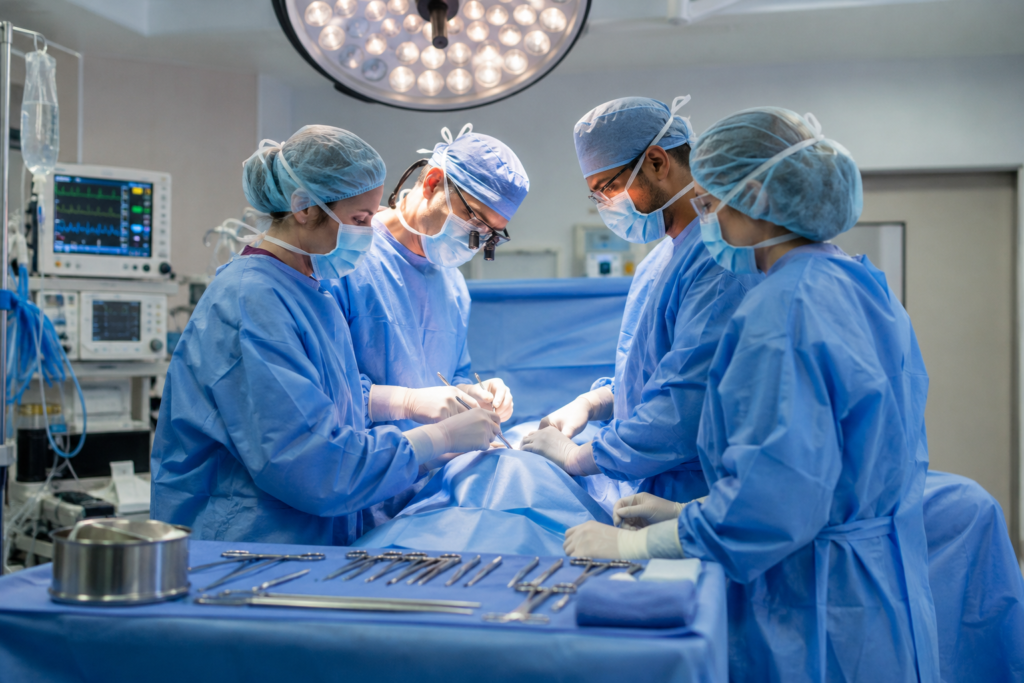
NanoKnife Ablation
Nano Knife ablation, or irreversible electroporation (IRE), is designed to treat tumors by using electrical pulses to create nanoscale pores in the cell membranes of cancer cells. This process leads to cell death without causing significant damage to adjacent healthy tissues.
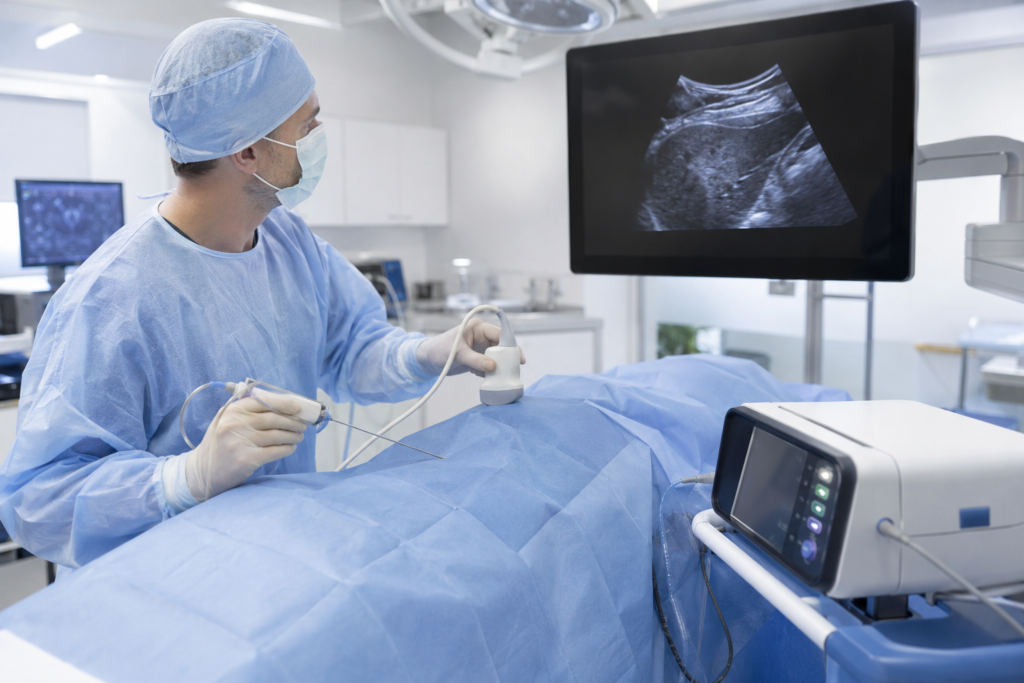
Microwave Liver Ablation
Microwave ablation (MWA) is a procedure designed to treat liver tumors using microwave energy. This technique delivers targeted microwave waves through a thin probe inserted into the tumor, generating heat that destroys cancerous cells while preserving surrounding healthy tissue. The procedure is guided by real-time imaging, ensuring precise targeting and effective treatment.
NEW EPISODE
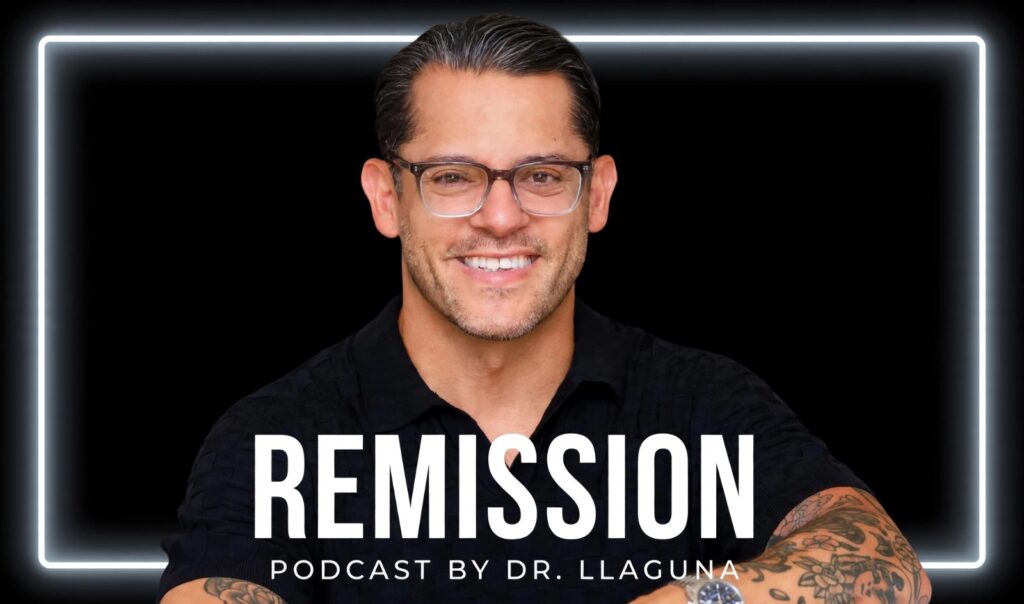
REMISSION
Social feed
Latest Instagram Posts
Follow our latest updates, patient stories, awareness campaigns & medical insights.
Stay Connected
Join our community of medical professionals and survivors. Receive updates on the latest clinical insights and podcast episodes.